Introduction
Occupational safety has become a defining benchmark for responsible garment manufacturing worldwide. Safe factories protect workers, improve productivity, and strengthen the credibility of national apparel industries in global markets. As African textile and apparel production expands, workplace safety is increasingly viewed not as a regulatory burden but as a strategic asset.
Improved safety standards support workforce stability, reduce production disruptions, and position African manufacturers as reliable long-term sourcing partners.
Core Occupational Safety Risks in Apparel Manufacturing
Textile and apparel factories present a combination of mechanical, chemical, and ergonomic risks. Machinery-related injuries, exposure to dyes and finishing chemicals, poor ventilation, and repetitive motion strain remain common challenges.
Effective safety management requires structured risk assessment processes, documented safety procedures, and regular monitoring of working environments.
Legal Frameworks and Regulatory Standards
Most African countries maintain occupational health and safety legislation covering factory operations, fire safety, chemical handling, and machinery use. These laws are increasingly aligned with international labour standards and buyer compliance codes.
Export-oriented factories are also subject to private audit schemes that reinforce national safety obligations.
Fire Safety and Emergency Preparedness
Fire prevention, alarm systems, evacuation planning, and emergency response training are essential safety components. Factories that implement routine drills and maintain accessible exit routes reduce accident severity and downtime.
Emergency preparedness also reassures international buyers and insurers, supporting long-term commercial relationships.
Worker Training and Safety Culture
Training programmes equip workers with knowledge on safe equipment use, hazard reporting, and emergency response. Safety committees and worker representation improve communication and continuous improvement.
A strong safety culture reduces absenteeism and increases workforce morale and retention.
Infrastructure Investment and Modernisation
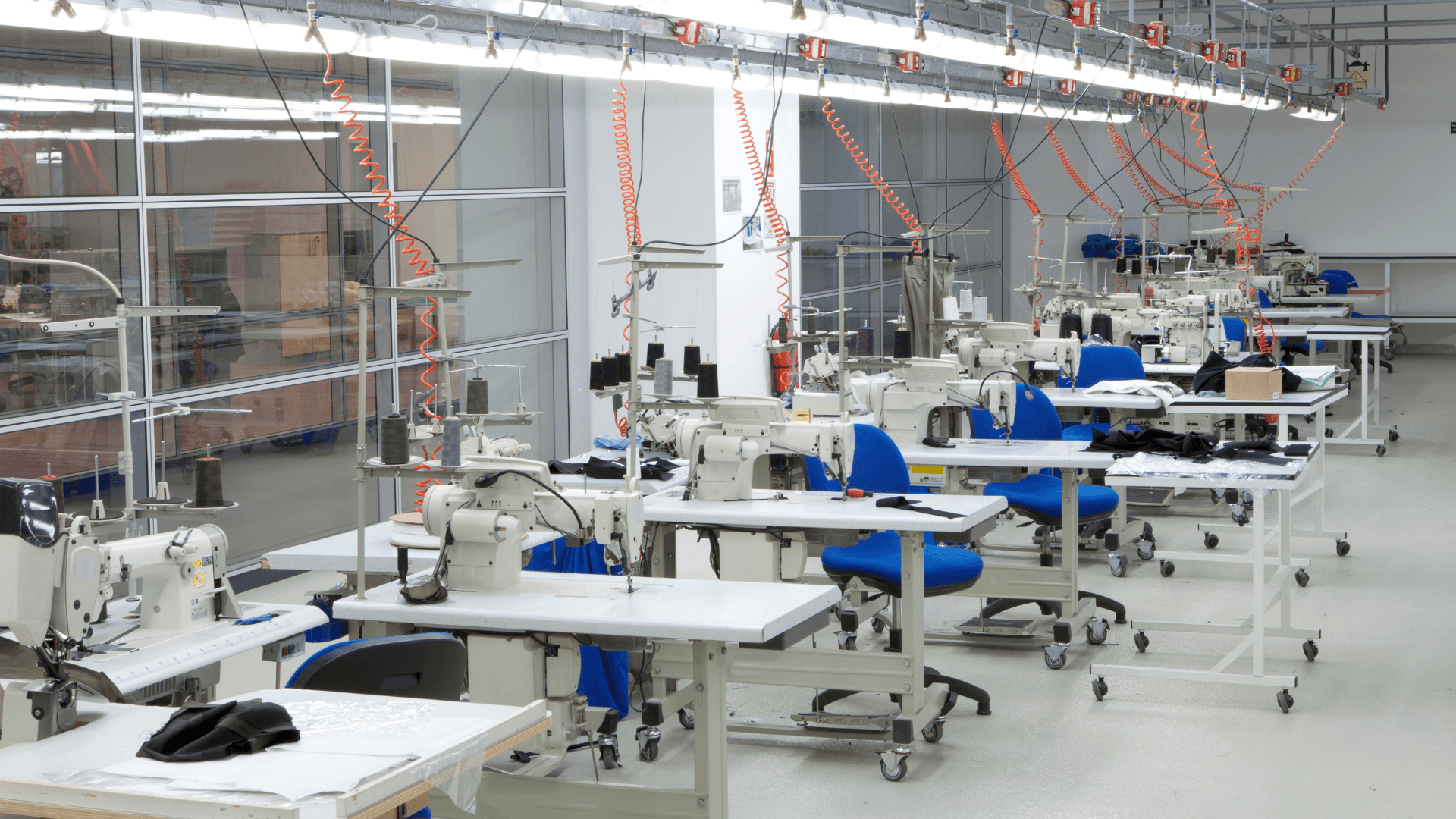
Modern ventilation systems, ergonomic workstations, and protective equipment improve both safety and production efficiency. These investments often deliver returns through reduced medical costs, lower turnover, and improved product quality.
Financial institutions and development agencies increasingly support safety-linked factory upgrades.
Compliance Monitoring and Continuous Improvement
Internal audits, digital monitoring tools, and third-party inspections support ongoing compliance. Transparent reporting builds trust with regulators and buyers.
Continuous improvement frameworks allow factories to evolve safety systems as production scales.
Conclusion
Occupational safety is integral to competitive apparel manufacturing. It protects workers, improves operational performance, and strengthens Africa’s position in global sourcing networks.
By investing in safety systems, African textile and apparel factories lay the foundation for resilient, ethical, and scalable production.
Tags
Occupational Safety
Textile Factories
Garment Manufacturing
Worker Protection
Compliance
African Fashion
Cover Image Credit: Unsplash