Introduction
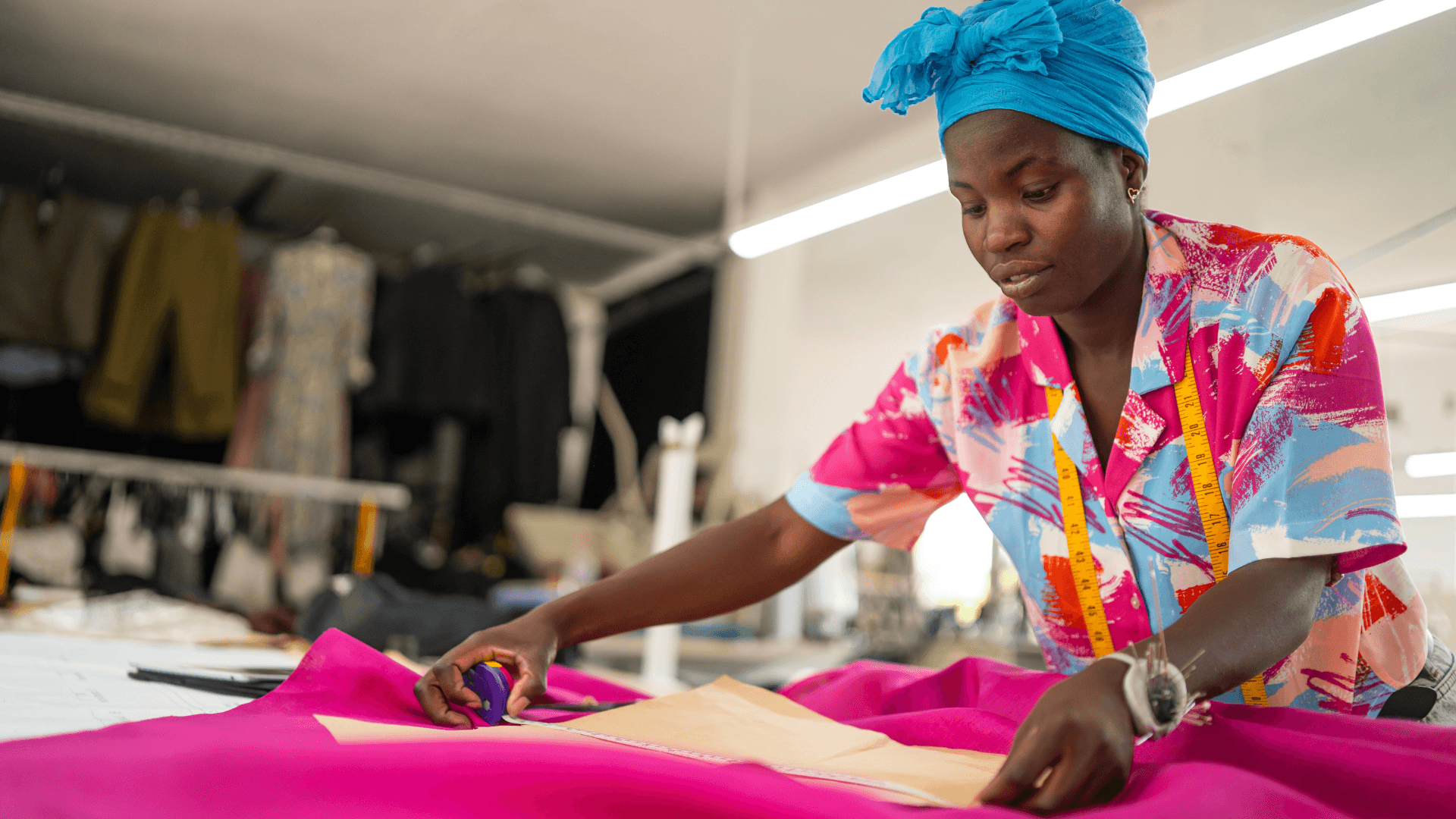
Freelance tailors and independent artisans form the operational core of Africa’s fashion economy. They design, cut, assemble, embellish, and finish garments across bespoke ateliers, community workshops, and digital fashion platforms. Their flexibility allows brands to scale production quickly and respond to seasonal or customised demand.
As fashion supply chains formalise and integrate into international markets, the contractual classification of these workers is becoming legally and commercially significant. Clear contractual frameworks are essential to protect artisans’ rights, allocate risk properly, and ensure that brands remain compliant with labour, tax, and social security regulations.
Independent Contractor or Employee?
The legal distinction between independent contractors and employees determines wage protections, tax obligations, and liability exposure. While many tailors are treated as freelancers, their working arrangements often resemble employment relationships in practice.
Factors such as exclusivity, control over working hours, provision of tools, and long-term engagement can trigger reclassification risks. Brands must therefore assess the substance of working relationships rather than relying solely on labels.
Contract Formation and Documentation
Clear written agreements define scope of work, payment terms, timelines, and intellectual property ownership. These contracts provide legal certainty and reduce disputes in collaborative production environments.
Standardised freelance agreements also support supply chain transparency and enable compliance with buyer audits and labour inspections.
Payment Structures and Fair Compensation
Contracts should reflect fair compensation structures, transparent pricing, and clear payment schedules. Digital payment systems improve traceability and strengthen trust between brands and artisans.
Clear pricing models also allow artisans to plan production capacity and manage material procurement more efficiently.
Intellectual Property Ownership
Freelance artisans frequently contribute creative input that may qualify for copyright or design protection. Contracts must address ownership of patterns, designs, and derivative works.
Clear IP allocation supports commercial exploitation while respecting creative contributions.
Taxation and Social Protection
Contractual classification affects tax obligations and access to social protection schemes. Formalising freelance relationships improves access to healthcare, pensions, and financial services.
Governments are increasingly introducing simplified tax regimes for independent workers to encourage compliance and inclusion.
Dispute Resolution and Risk Allocation
Well-drafted contracts include dispute resolution mechanisms, liability clauses, and termination provisions. These structures protect both brands and artisans and support continuity of production relationships.
Mediation and arbitration clauses are particularly useful in small-scale production networks.
Conclusion
Clarifying the contractual status of freelance tailors and artisans strengthens labour protection while preserving flexibility. It improves compliance readiness, supports fair compensation, and enhances the credibility of African fashion supply chains.
Formal contractual frameworks transform informal collaboration into scalable and legally resilient production systems.
Tags
Freelance Artisans
Labour Law
Fashion Contracts
Independent Contractors
African Fashion
Cover Image Credit: Valentin Russanov (Getty Images Signature)