Introduction
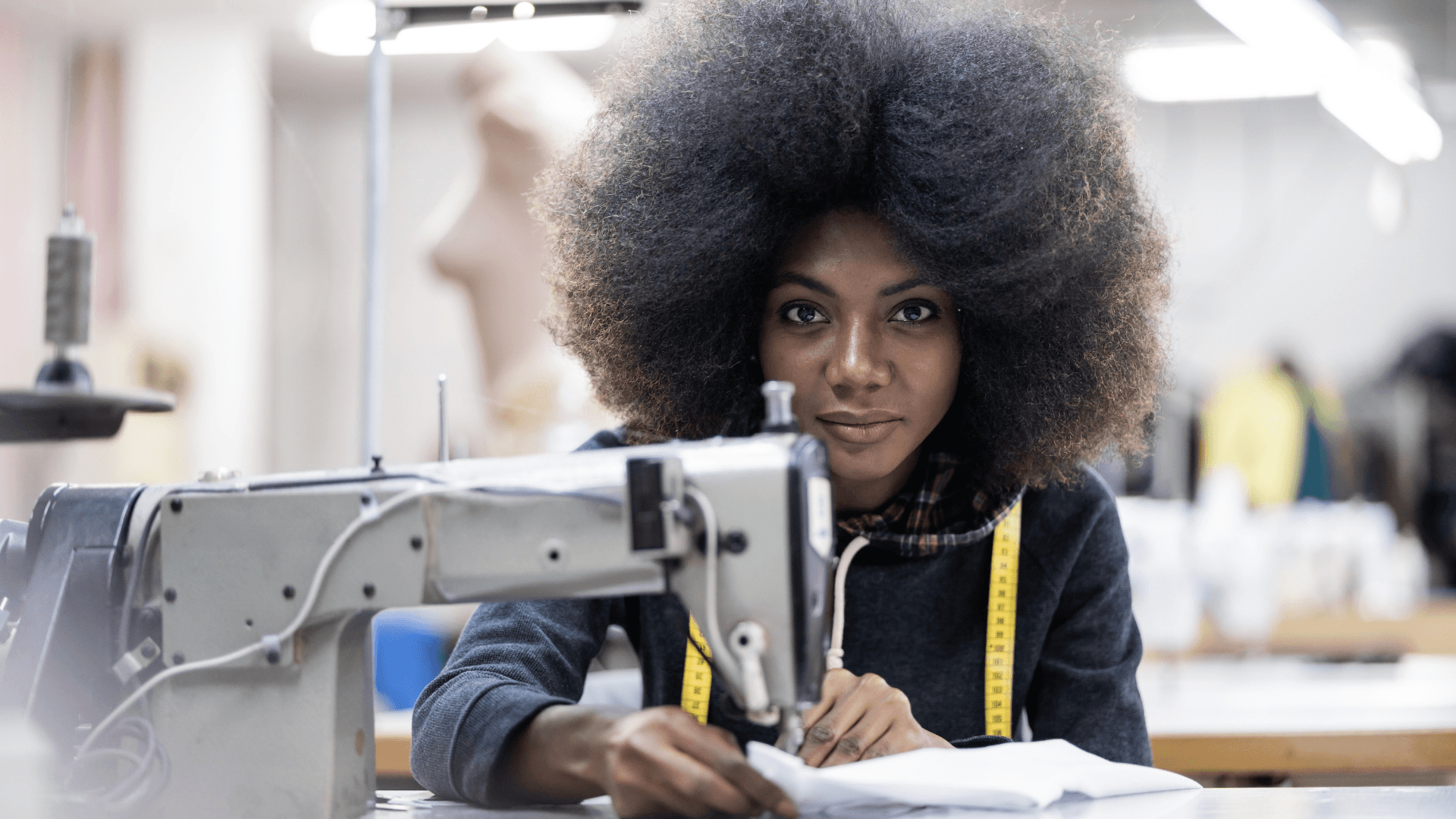
Women constitute the majority of the workforce in textile and garment production across Africa. Their participation drives productivity, skills transmission, and enterprise growth within both formal factories and informal production clusters. Ensuring gender equity and protection from workplace harassment is therefore fundamental to building a sustainable and competitive fashion sector.
As global buyers strengthen social compliance requirements, gender equity has become a core indicator of supply chain responsibility. Robust workplace protections now function not only as social safeguards but also as commercial enablers for African fashion enterprises.
Gender Dynamics in Garment Workforces
Garment production often reflects hierarchical gender structures, with women concentrated in lower-paid operational roles and men more visible in supervisory or technical positions. These patterns influence access to training, promotion, and income stability.
Addressing these disparities strengthens workforce resilience and expands leadership pipelines within the industry.
Legal Protections and Regulatory Standards
Most African jurisdictions prohibit discrimination and workplace harassment through labour and human rights legislation. These protections increasingly align with international conventions on equal pay, dignity at work, and violence prevention.
Export-oriented manufacturers are also subject to private codes of conduct that reinforce statutory protections.
Defining Workplace Harassment and Abuse
Workplace harassment includes verbal, physical, sexual, and psychological misconduct. It can also involve intimidation, coercion, and retaliation against workers who report misconduct. Clear definitions and reporting pathways improve accountability and create safer working environments.
Internal Policies and Reporting Mechanisms
Effective workplace protection frameworks require written anti-harassment policies, confidential complaint channels, and impartial investigation procedures. Worker awareness programmes ensure that employees understand their rights and reporting options.
Transparent systems build trust and encourage early resolution of disputes.
Training, Leadership, and Culture Change
Regular training for management and workers strengthens prevention. Gender-sensitive leadership approaches promote respectful workplace norms and reduce power imbalances. Inclusive leadership improves retention, productivity, and worker satisfaction.
Market and Compliance Benefits
Brands that demonstrate gender equity and workplace protection standards gain stronger buyer confidence and improved access to responsible sourcing programmes. These practices also reduce legal risk and reputational exposure.
Gender-equitable workplaces are increasingly associated with higher productivity and innovation.
Conclusion
Gender equity and harassment protections are central to fair, resilient, and competitive fashion supply chains. They protect workers while strengthening commercial performance and international credibility. By embedding inclusive policies and accountability mechanisms, African fashion enterprises position themselves as responsible leaders in global apparel markets.
Tags
Gender Equity
Workplace Harassment
Labour Rights
Garment Workers
Social Compliance
African Fashion
Cover Image Credit: Pexels