For much of the African fashion industry, Agenda 2063 exists as a distant policy document. It is often referenced in development conversations, cited in government speeches, and invoked in broad discussions on African industrialisation. Yet within fashion ecosystems, it remains largely unexamined. This might be a missed opportunity.
Agenda 2063 is the African Union’s long-term policy framework for economic transformation, industrial development, cultural advancement, and regional integration. Its priorities are already shaping national development plans, trade policy, labour frameworks, and creative economy strategies across the continent. For the fashion industry, this makes Agenda 2063 a document worth watching closely.
At the Alliance for Law and Fashion in Africa, we view Agenda 2063 as a quiet but powerful policy anchor for the future of African fashion systems.
Fashion as an industrial policy issue, not just a creative one
One of Agenda 2063’s central ambitions is to shift African economies away from raw material exports toward value addition and industrial capacity. This ambition has direct relevance for fashion, particularly in relation to textiles, leather, and garment manufacturing.
Across the continent, cotton, hides, and other raw inputs continue to be exported with minimal local processing, while finished fashion goods are imported at scale. Agenda 2063 challenges this model by prioritising domestic and regional value chains. For fashion, this reframes the industry as an industrial policy concern, not only a cultural or creative one.
This shift matters because policy attention unlocks infrastructure investment, incentives for manufacturing, and long-term planning around skills, standards, and compliance. Without this framing, African fashion risks remaining trapped in a cycle of small-scale production and external dependence, regardless of its creative success.
Cultural identity without legal protection is not enough
Agenda 2063 also emphasises Africa’s cultural identity, heritage, and shared values. Fashion is often positioned here as a symbol of African expression and soft power. While this recognition is important, it is insufficient on its own.
Cultural visibility without legal and commercial frameworks exposes African designers, artisans, and communities to appropriation and extraction. Traditional designs, techniques, and aesthetics continue to be replicated by global brands with limited benefit flowing back to their origins.
Agenda 2063 provides a policy basis for treating cultural assets as economic resources. However, translating this into reality requires stronger intellectual property frameworks, clearer rules on ownership and attribution, and regional approaches to protecting traditional knowledge. For fashion, this is where law becomes essential.
Women, youth, and the realities of fashion labour
The fashion industry is one of the most significant employers of women and young people across Africa. Agenda 2063 places these groups at the centre of its development agenda, calling for inclusive growth and people-driven development.
Yet fashion labour on the continent remains largely informal. Many workers operate without contracts, social protection, or enforceable labour standards. While Agenda 2063 encourages formalisation, it does not fully address the complexity of transitioning informal fashion economies into regulated systems without excluding those who rely on them for survival.
This tension makes Agenda 2063 particularly relevant to fashion policy discussions. It forces governments, industry actors, and regulators to confront questions around labour rights, social protection, and sustainable employment models within creative and manufacturing sectors.
Regional integration and the promise of intra-African fashion trade
Agenda 2063’s vision of an integrated Africa is most visible today through the African Continental Free Trade Area. For fashion, regional integration holds enormous potential. Intra-African sourcing, cross-border production, and regional markets could significantly reduce reliance on extra-continental supply chains.
However, legal and regulatory barriers continue to limit this potential. Inconsistent standards, complex customs procedures, fragmented intellectual property regimes, and weak enforcement mechanisms disproportionately affect fashion businesses, particularly small and medium enterprises.
Agenda 2063 recognises the importance of regional value chains, but its success depends on whether fashion is intentionally included in trade facilitation, standards harmonisation, and cross-border enforcement conversations. This is why the fashion industry must pay attention, engage, and advocate.
Why Agenda 2063 is a document to watch, not just cite
Agenda 2063 will not automatically transform African fashion. Its significance lies in how it is interpreted, implemented, and operationalised at national and regional levels. For fashion stakeholders, the risk is not that Agenda 2063 will fail, but that the industry will be absent from its implementation.
As governments develop industrial policies, creative economy strategies, sustainability frameworks, and trade regulations aligned with Agenda 2063, fashion must be positioned as a legitimate economic sector with legal, labour, and trade implications.
Watching Agenda 2063 is therefore not about optimism. It is about accountability. It is about ensuring that African fashion is not confined to storytelling and symbolism, but embedded within the continent’s long-term economic and legal architecture.
For African fashion to scale sustainably, the conversation must move beyond creativity and visibility. It must engage with policy, law, and systems. Agenda 2063 offers a framework through which that engagement can occur, if the industry chooses to take it seriously.
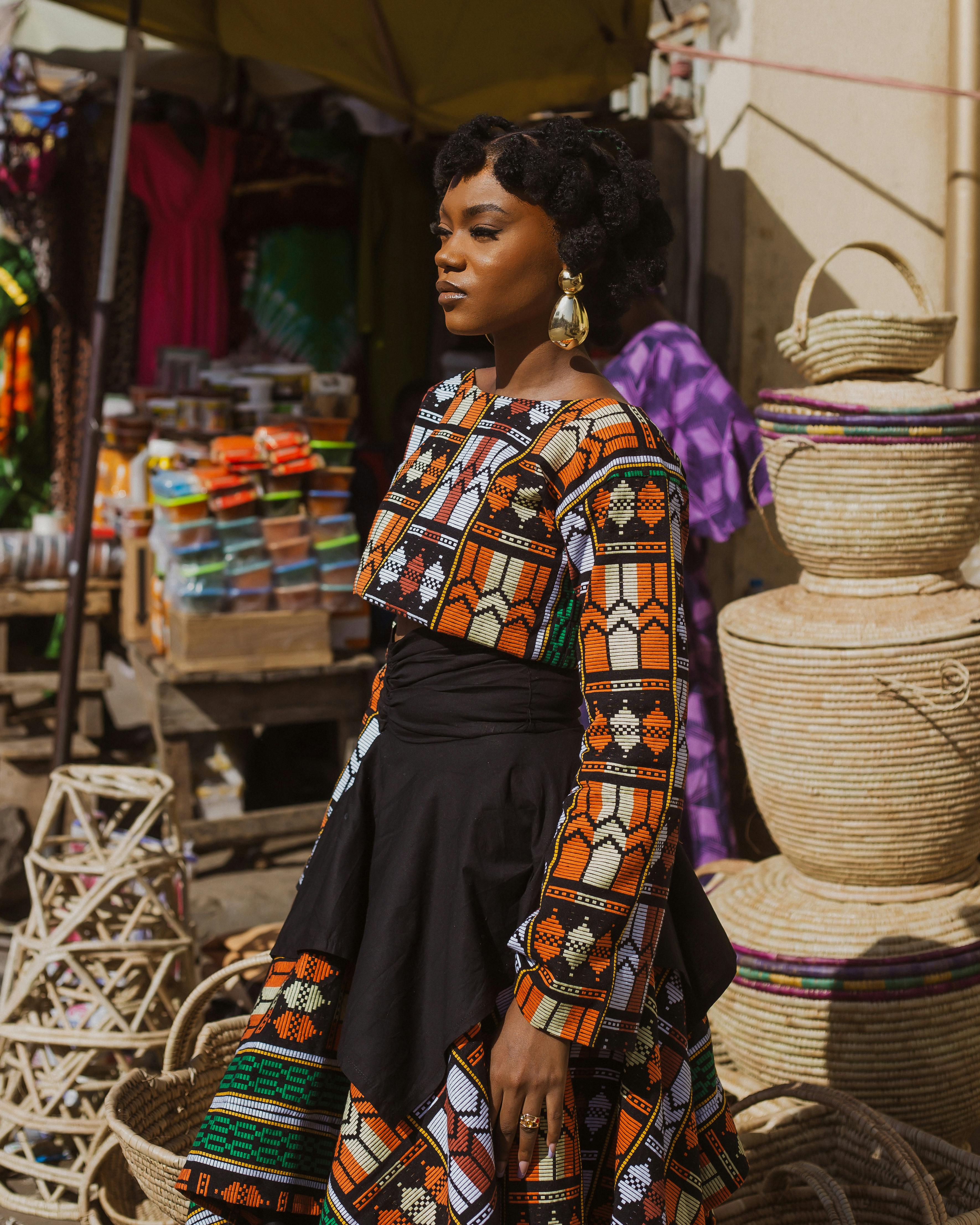
Cover Image Credit: Umar Faruq