Introduction
Few issues in African fashion policy generate as much debate as the regulation of secondhand clothing.
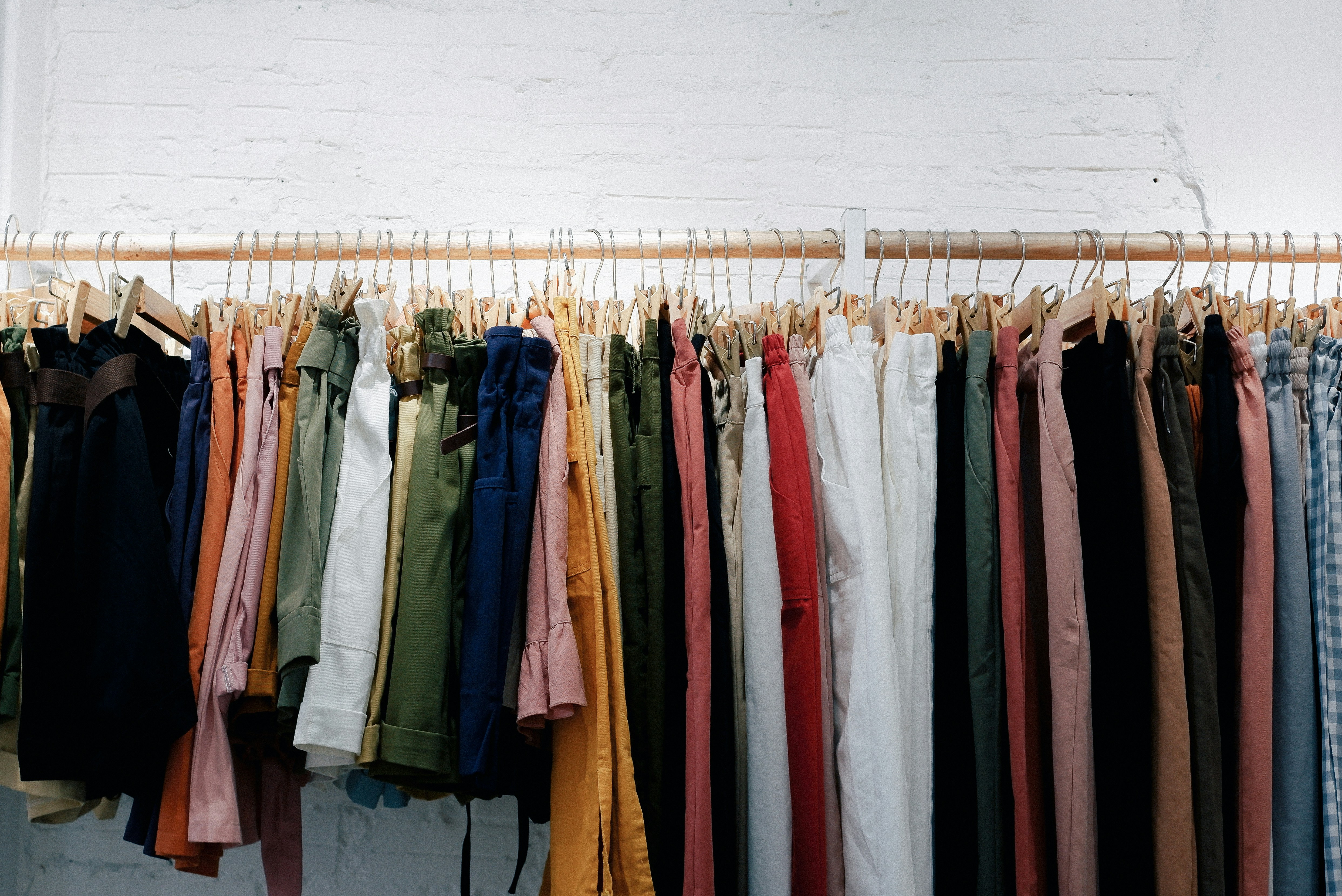
Known variously as mitumba, okrika, bend-down boutique, salaula, or friperie, the secondhand clothing trade has become deeply embedded in African economies over the past four decades. It provides affordable clothing to millions of consumers, supports extensive informal employment, and forms a significant part of retail activity in many countries.
At the same time, governments across the continent are increasingly questioning whether continued dependence on imported used clothing aligns with their long-term industrial ambitions. Rwanda has imposed restrictions. Nigeria continues to tighten enforcement against imported secondhand clothing. Kenya periodically revisits proposals to restrict mitumba imports, while similar conversations are emerging in other jurisdictions.
The debate is often presented as a simple choice between protecting domestic industry and preserving livelihoods. In reality, it is considerably more complex. The central question is not whether secondhand clothing is inherently beneficial or harmful, but what role it should play within Africa's broader industrial, trade, and fashion policy agenda.
Why Secondhand Clothing Became So Dominant
The growth of Africa's secondhand clothing market did not occur by accident.
Beginning in the 1980s and 1990s, increasing volumes of donated clothing from Europe, North America, and parts of Asia entered global resale markets. African importers purchased these garments in bulk, creating sophisticated distribution networks that today stretch from international ports to neighbourhood markets across the continent.
Several factors explain the sector's expansion.
Used clothing is generally more affordable than newly manufactured garments. Consumers gain access to global brands and higher-quality fabrics at prices many households can afford. The sector also generates employment throughout logistics, transportation, wholesale distribution, tailoring, laundering, repair services, and retail.
For many entrepreneurs, secondhand clothing provides one of the lowest-cost entry points into business ownership.
The Industrial Policy Argument for Restrictions
Governments advocating restrictions generally advance an industrial development rationale.
The argument is straightforward: when imported secondhand garments dominate domestic markets, locally manufactured clothing struggles to compete on price. This reduces demand for domestic production, discourages investment in textile manufacturing, and limits employment growth across the value chain.
Industrial policy seeks to reverse this dynamic by creating space for local manufacturers to expand.
The objective is not simply to replace imports. It is to stimulate domestic spinning, weaving, dyeing, garment manufacturing, logistics, branding, and retail, thereby retaining more value within national economies.
Countries pursuing this approach often view secondhand clothing regulation as one component of a broader manufacturing strategy rather than an isolated trade measure.
The Case Against Blanket Bans
Critics argue that broad prohibitions frequently produce unintended consequences.
Millions of traders depend directly on secondhand clothing for their livelihoods. Many consumers rely on these markets because locally produced alternatives are either unavailable or significantly more expensive.
Without sufficient domestic manufacturing capacity, abrupt import bans can reduce consumer choice, increase prices, and encourage informal cross-border trade rather than eliminate demand.
Experience from several jurisdictions suggests that restricting imports alone does not automatically create a competitive domestic textile industry. Industrial growth also depends on reliable electricity, competitive financing, logistics infrastructure, skilled labour, access to raw materials, and investment-friendly regulatory environments.
Trade policy cannot substitute for industrial policy.
Who Benefits From Restrictions?
When restrictions are carefully designed and implemented alongside industrial investment, several groups stand to benefit.
Domestic textile manufacturers may experience stronger demand.
Garment factories may attract additional investment.
Cotton farmers and textile processors can benefit from stronger local sourcing opportunities.
Governments may increase formal employment, strengthen industrial capability, and reduce dependence on imported clothing.
These outcomes, however, depend on complementary reforms. Without them, the anticipated industrial gains may not materialise.
Who Bears the Costs?
The immediate costs are often concentrated among secondhand clothing traders and consumers.
Importers, wholesalers, transport operators, market vendors, repair specialists, and countless micro-enterprises derive income from the sector. Sudden restrictions can disrupt these livelihoods, particularly where alternative employment opportunities are limited.
Consumers may also experience higher clothing prices until domestic production expands sufficiently to meet demand.
These distributional effects explain why secondhand clothing policy is as much a social policy issue as it is a trade policy issue.
Is There a Middle Ground?
Increasingly, policymakers are exploring approaches that move beyond the binary choice of unrestricted imports or outright prohibition.
Possible regulatory options include:
phased reductions in imports rather than immediate bans;
quality standards that prevent the importation of unusable textile waste;
differentiated tariffs based on product categories;
licensing systems that improve market oversight;
incentives for domestic manufacturing alongside gradual market adjustment;
investment in textile recycling and circular fashion industries.
Such approaches recognise both the economic importance of secondhand clothing and the legitimate objective of strengthening domestic manufacturing.
The AfCFTA Opportunity
The African Continental Free Trade Area (AfCFTA) introduces an important new dimension to this debate.
If domestic manufacturing expands, African producers may increasingly serve regional markets rather than relying solely on national demand. This larger continental market improves the commercial viability of textile investment and reduces dependence on extra-continental imports.
At the same time, AfCFTA creates opportunities for harmonised rules governing secondhand clothing, product quality, customs procedures, and textile standards. Coordinated regional approaches are likely to be more effective than fragmented national policies.
The Future of Secondhand Clothing Policy
The future of Africa's secondhand clothing sector is unlikely to be defined by simple bans.
Instead, governments will increasingly face questions about sequencing, institutional capacity, and policy coherence. Restricting imports without expanding domestic production risks creating shortages. Expanding manufacturing without improving competitiveness risks protecting industries that remain unable to compete internationally.
The most successful policy frameworks will likely balance industrial development with consumer welfare, employment protection, environmental sustainability, and regional trade integration.
That requires evidence-based regulation rather than ideological positions.
Conclusion
The debate over secondhand clothing is often framed as a contest between local industry and informal livelihoods.
It is neither.
It is a question of economic transition.
The challenge for African governments is to design policies that encourage domestic manufacturing without unnecessarily disrupting the millions of livelihoods currently supported by secondhand clothing markets. Equally, preserving the status quo without investing in industrial capability risks locking countries into long-term import dependence.
The real objective should not be choosing between secondhand clothing and local manufacturing. It should be creating a policy framework in which African fashion industries can grow, consumers retain access to affordable clothing, and economic development is both inclusive and sustainable.
Tags
Secondhand Clothing
Mitumba
Industrial Policy
Textile Industry
Trade Policy
Circular Economy
AfCFTA
African Fashion Policy
Market Regulation
African Fashion
Cover Image Credit: