Introduction
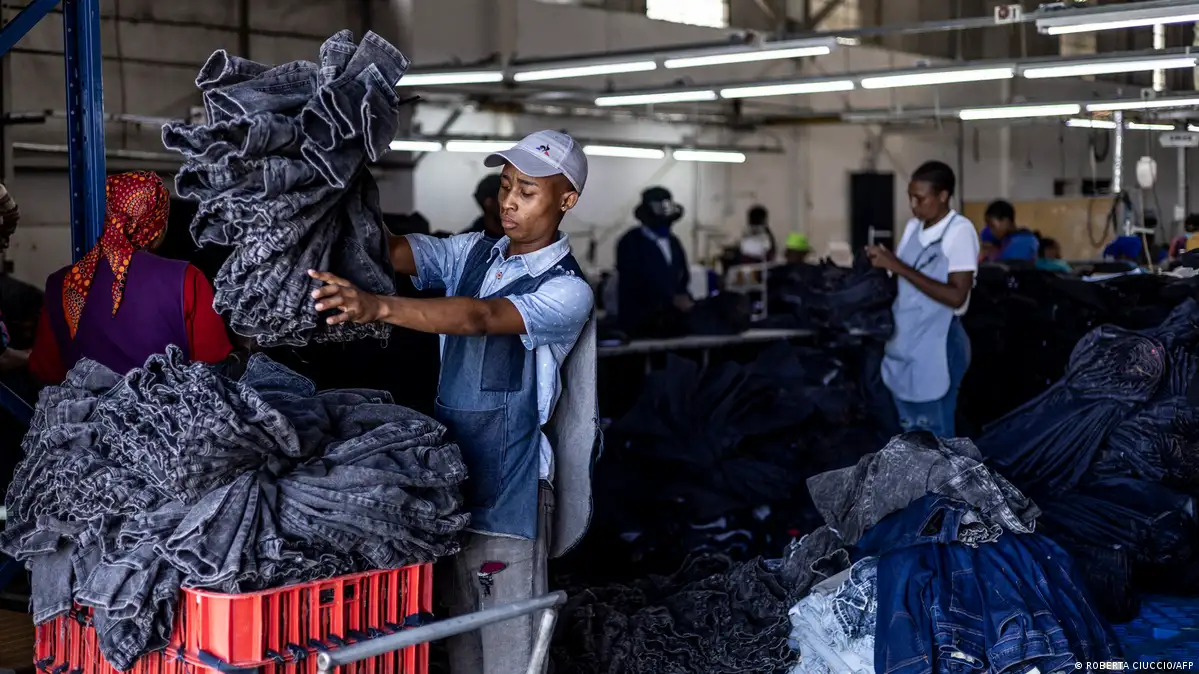
In late 2025, the Lesotho garment industry stood at a terrifying crossroads. Hippo Knitting, a cornerstone of the textile sector, announced the layoff of 295 workers with plans to retrench 420 more by early 2026. The cited cause was a "legal and trade-policy alarm bell": the agonizing uncertainty surrounding the renewal of the African Growth and Opportunity Act (AGOA) and a staggering 50% tariff shock.
However, with the recent formal extension of AGOA, Lesotho has been handed a "big break." This extension is more than a trade program; it is a vital lifeline. Yet, as the Hippo Knitting crisis proves, a lifeline only works if the person holding it has the strength to pull themselves up. For Lesotho, the extension must trigger a transition from fragile dependency to industrial resilience.
The Double-Edged Sword of Preferential Trade
Since 2000, AGOA has been the architect of Lesotho’s modern economy. By granting duty-free access to the U.S. market and allowing the "third-country fabric" provision, it enabled a landlocked nation to become a garment powerhouse. At its peak, manufacturing employment even rivaled government payrolls, providing stable work for tens of thousands of Basotho women.
But this growth lacked depth. The "Hippo Knitting Case" exposes the structural cracks that appeared while the industry was distracted by rapid growth:
External Dependency: Factories relied on imported fabrics and foreign ownership, making the sector a "guest" in its own country.
Market Concentration: By tethering its soul to the U.S. market, Lesotho became vulnerable to unilateral policy shifts and tariff shocks.
The Compliance Gap: As seen with Hippo Knitting’s struggle to maintain WRAP certifications, failing to meet international ethical standards can disqualify a factory from the very benefits AGOA provides.
Opportunities Arising from the 2026 Extension
The extension provides the one thing the industry was missing in late 2025: Certainty. This predictability is the foundation upon which Lesotho can now rebuild:
Market Security: Re-establishing duty-free access restores price competitiveness, allowing factories to win back international buyers who paused orders during the "uncertainty dip."
Investment Attraction: The extension signal tells investors that the "legal framework" is stable for the foreseeable future, encouraging long-term capital projects rather than short-term assembly.
Skills & Infrastructure: With a guaranteed window of access, Lesotho can now afford to invest in vocational training and factory upgrades that were too risky to fund during the period of renewal anxiety.
From Survival to Strategy: Maximising the Break
To ensure that Hippo Knitting’s story remains a cautionary tale rather than a prophecy for the whole sector, Lesotho must address four critical imperatives:
Diversification is Mandatory: The industry can no longer rely solely on the U.S. It must leverage the African Continental Free Trade Area (AfCFTA) to find regional markets, reducing the impact of any future U.S. tariff shocks.
Vertical Integration: Lesotho must move beyond "cut-make-trim" (CMT) operations. By developing domestic production of yarns and fabrics, the country can build a value chain that survives even if trade rules change.
Governance as a Competitive Edge: High labor standards and ethical compliance (like WRAP) must be treated as legal necessities, not optional extras. In a transparent global market, compliance is the ultimate insurance policy.
Proactive Industrial Policy: The government must move from "emergency relief" (like rental freezes) to "resilience incentives" that reward local ownership and the use of sustainable energy.
Conclusion
The extension of AGOA represents a pivotal "second chance" for Lesotho. The layoffs at Hippo Knitting served as a stark reminder that trade privileges are a gift, not a right, and gifts can be withdrawn.
The "big break" of 2026 provides the breathing room necessary to transform Lesotho from a passive beneficiary of U.S. policy into a resilient, integrated industrial hub. The goal is no longer just to export garments, but to build an industry that can withstand the winds of global politics. For Lesotho, the clock has restarted, and the time to build for depth, not just growth, is now.
Tags:
AGOA Extension | Lesotho Textiles | Hippo Knitting | Trade Policy | AfCFTA | Industrial Resilience | African Fashion Law
Cover Image Credit: DW