Introduction
Tariffs shape the commercial geography of apparel manufacturing. They determine where garments are produced, how supply chains are structured, and which markets become commercially viable for export. For African apparel producers, tariffs have historically operated as both a cost burden and a market filter, limiting competitiveness in global and intra-African trade.
Today, the trade environment is shifting. Preferential trade regimes, AfCFTA schedules, and duty drawback systems are creating new avenues through which African manufacturers can reduce landed costs, improve price competitiveness, and expand export reach. Understanding how these mechanisms operate is therefore not a technical compliance issue. It is a strategic production and market-entry decision.
How Tariffs Affect Apparel Trade
Tariffs are taxes imposed on imported goods at the point of entry. In apparel trade, even modest tariff rates can materially affect retail pricing due to the volume-driven nature of the industry.
Garment production typically operates on narrow margins. A tariff difference of a few percentage points can determine whether a manufacturer secures long-term supply contracts or loses market share to competing production hubs.
For African exporters, tariffs influence three key areas:
Pricing competitiveness
Supplier selection by international buyers
Feasibility of regional distribution models
Preferential Trade Regimes and AfCFTA
Several trade frameworks offer African apparel exporters reduced or zero-duty access to key markets. AfCFTA, in particular, progressively eliminates tariffs on qualifying intra-African trade, creating an environment where garments produced in one African country can enter others at preferential rates.
Rules of origin play a central role. To qualify, garments must meet defined local content thresholds, encouraging local textile sourcing and deeper value chain integration within Africa.
These frameworks allow manufacturers to reposition supply chains toward continental production networks while maintaining cost efficiency.
Understanding Duty Drawback Systems
Duty drawback programmes allow exporters to recover import duties paid on raw materials, fabrics, trims, and components used in exported garments.
This mechanism improves cash flow, lowers effective production costs, and incentivises export-oriented manufacturing.
For apparel producers, duty drawbacks can materially reduce landed cost per unit, making African-made garments more competitive in price-sensitive markets.
Strategic Use of Duty Drawbacks
Manufacturers can use duty drawback programmes to:
Reduce production input costs
Support export pricing strategies
Improve working capital cycles
Enable sourcing of specialised materials not yet available locally
When properly structured, drawback systems make export manufacturing more predictable and financially efficient.
Institutional Alignment and Market Readiness
African customs authorities are increasingly modernising drawback procedures and aligning tariff schedules with AfCFTA commitments. Digital customs systems, risk-based inspections, and harmonised documentation are gradually reducing administrative friction.
Exporters who structure compliance systems early are better positioned to benefit from these reforms as they scale operations.
Conclusion
Tariffs and duty drawbacks are not abstract trade concepts. They are operational tools that shape factory profitability, supply chain design, and market access.
As African apparel manufacturing expands under AfCFTA and preferential trade regimes, strategic use of tariff planning and drawback mechanisms will increasingly determine which exporters achieve sustainable growth across regional and global markets.
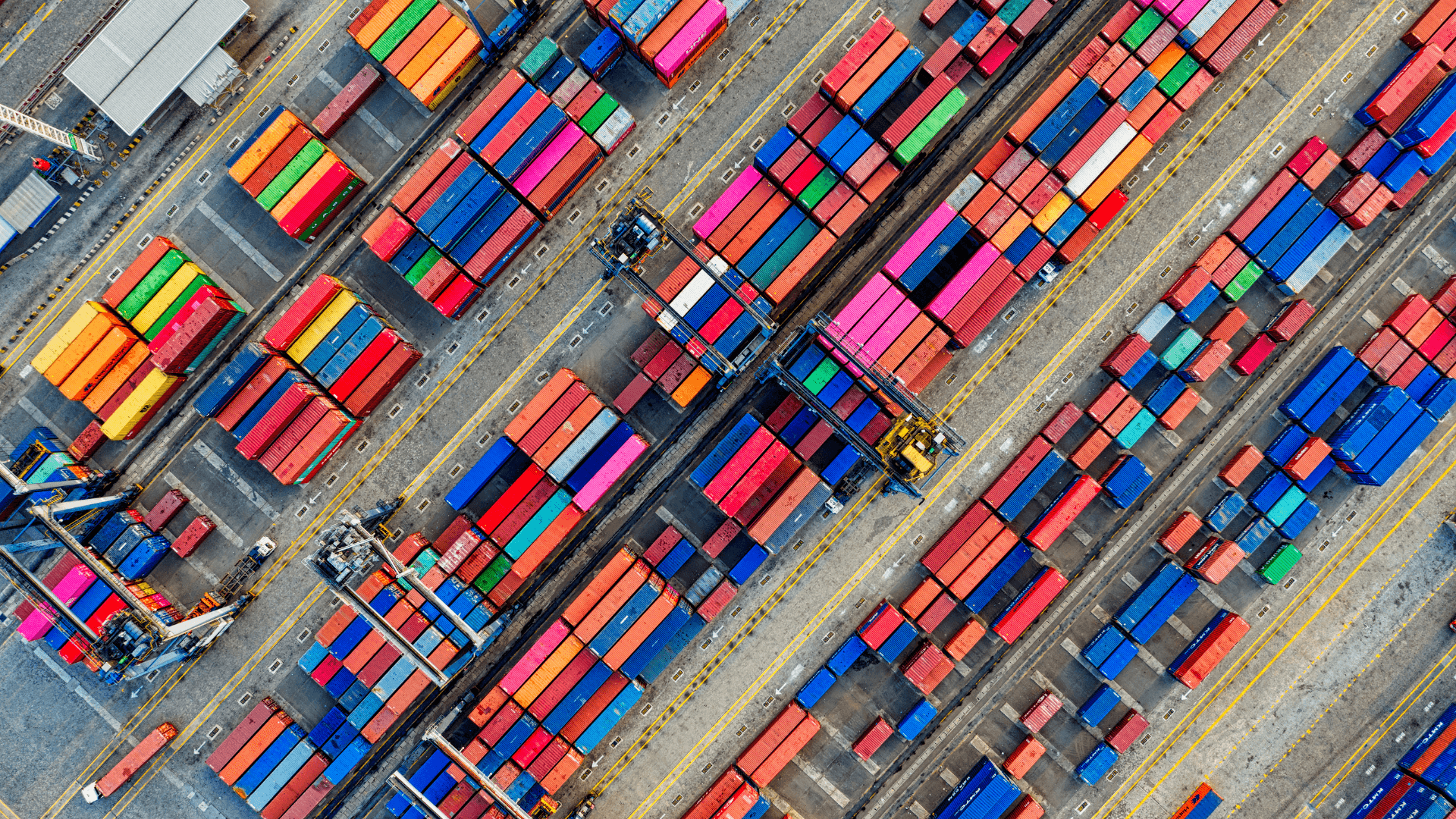
Cover Image Credit: Tom Fisk (Pexels)