Introduction
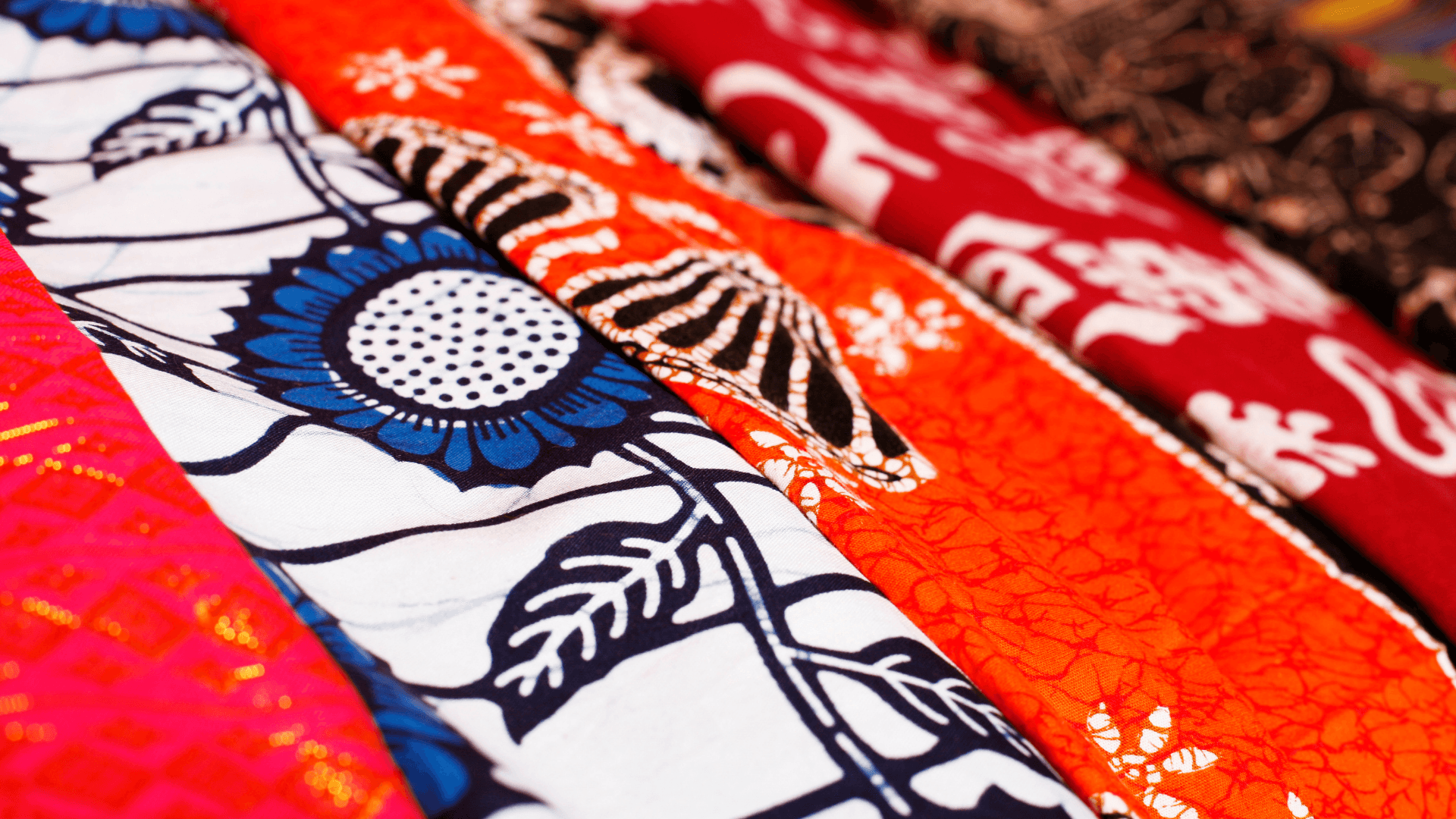
Textile prints and surface patterns sit at the commercial core of fashion production. They determine visual identity, market differentiation, and the lifecycle of seasonal collections. Yet they also exist in one of the most misunderstood zones of intellectual property law. Designers frequently assume that a pattern placed on fabric is automatically protected, while manufacturers and retailers often treat prints as commercially available commodities, free to replicate once they enter the market.
In African fashion markets, where design cycles are fast, copying is culturally normalised, and legal recourse is rarely pursued, this misunderstanding has systemic economic consequences. Copyright law does protect textile prints and patterns, but not in the way many designers believe, and not without structural limitations that shape who can realistically enforce those rights.
This article examines how copyright applies to textile prints and patterns, where its protection begins and ends, and why it remains an imperfect but strategically relevant tool for fashion businesses.
Textile Patterns as Copyrightable Subject Matter
Copyright law protects original artistic works fixed in a tangible medium. Textile prints and patterns fall within this definition when they demonstrate sufficient originality and creative choice. Hand-drawn motifs, digital illustrations, repetitive pattern compositions, and surface ornamentation can all qualify as artistic works once recorded digitally, printed, or otherwise fixed.
What copyright does not protect is the underlying idea, style, trend, or cultural concept behind a pattern. Protection attaches only to the specific visual expression. Two designers may legally create florals, geometrics, or symbolic motifs, provided their executions are not substantially similar in expression.
This distinction is central in fashion markets, where trend replication is common and legal infringement depends on substantial similarity, not inspiration.
Automatic Protection and Its Limits
Copyright protection arises automatically upon creation. No registration is required in most African jurisdictions that follow common law or civil law copyright frameworks. This creates a false sense of security. While automatic protection exists, enforcement still requires proof of authorship, date of creation, and ownership. In informal creative economies, these evidentiary requirements are rarely documented.
Without dated working files, contracts, licensing records, or archived design drafts, designers may technically own copyright yet lack the practical ability to prove it.
Reproduction in Textile Manufacturing
Copyright infringement in textiles occurs primarily through unauthorised reproduction. This includes scanning, redrawing, or digitally reconstructing patterns for use on fabric, packaging, or garments without permission.
In industrial production, copying often occurs upstream, at the level of textile converters and print houses rather than at the retail brand level. By the time infringing garments reach the market, the original pattern may have been reproduced across multiple supply chains, complicating enforcement and attribution.
Why Copyright Alone Is Not Sufficient
Copyright offers limited structural control over textile designs for several reasons.
First, enforcement is reactive rather than preventative. Rights are only tested after copying occurs. Second, copyright does not prevent independent creation. Similar looking patterns may be legally produced if they are not demonstrably copied. Third, copyright protection expires. In contrast to trademarks, it does not support indefinite brand exclusivity.
Finally, copyright does not secure exclusivity over product identity. It protects a drawing, not the brand narrative, source association, or market positioning. For these reasons, copyright is a weak standalone mechanism for protecting commercially valuable textile identities.
Strategic Integration with Other IP Rights
For fashion businesses, copyright should be integrated into a layered IP strategy.
Design registration can protect the overall visual appearance of fabric designs in jurisdictions that permit textile design filings.
Trademarks can protect repeat patterns that function as brand identifiers, transforming decorative motifs into source-indicating assets.
Contractual controls over suppliers, print houses, and converters can prevent unauthorised reproduction before infringement occurs.
Together, these tools shift textile protection from reactive litigation to proactive market control.
Policy and Institutional Gaps
African fashion markets face particular challenges:
Limited IP literacy among textile producers and converters
Weak documentation practices among independent designers
Low enforcement capacity at ports and wholesale markets
Judicial unfamiliarity with pattern infringement analysis
Minimal standard-form licensing frameworks for textile use
These gaps amplify the structural weakness of copyright protection and contribute to persistent design appropriation.
Conclusion
Copyright does apply to textile prints and patterns, but its protective reach is narrow, reactive, and evidence-dependent. While it offers baseline legal recognition to textile creativity, it does not by itself secure commercial exclusivity or long-term brand value. For African fashion enterprises operating in high-copy environments, copyright must be treated as one component of a layered legal architecture rather than as a primary protection strategy.
Cover Image Credit: Getty Images Signature